
Certifications
-
We have been certified USDA organic since 2015. We have increased acreage every year and our entire 100 acres of production will be Certified Organic as of the 2026 season.
-
We have been practicing regenerative agriculture since Kyle’s involvement in the farm in 2015.
In 2025 season we achieved Bronze level for Regenerative Organic Certified® (ROC™).
2026 season our entire 100 acre apple orchard will be Regenerative Organic Certified® (shooting for Silver level)
-
We are committed to the highest level of food safety standards, minimizing risks of contamination from farm to table and hold certification with Primus GAP and USDA GAP.
-
The farm is MAEAP (Michigan Agriculture Environmental Assurance Program) certified. Ensuring that we identify and reduce any potential risks for pollution of water and natural resources.


What is Regenerative Organic?
“Regenerative Organic Certified® is built on three pillars: Soil Health & Land Management, Animal
Welfare, and Social Fairness, with required criteria for each” -Regenerative Organic Alliance
At Third Leaf Farm we focus on the soil health/land management as well as the Social Fairness pillars for now
To begin, the operation must already have proof of existing USDA Organic certification
In addition to our Organic practices we practice multiple Regenerative Practices:
-
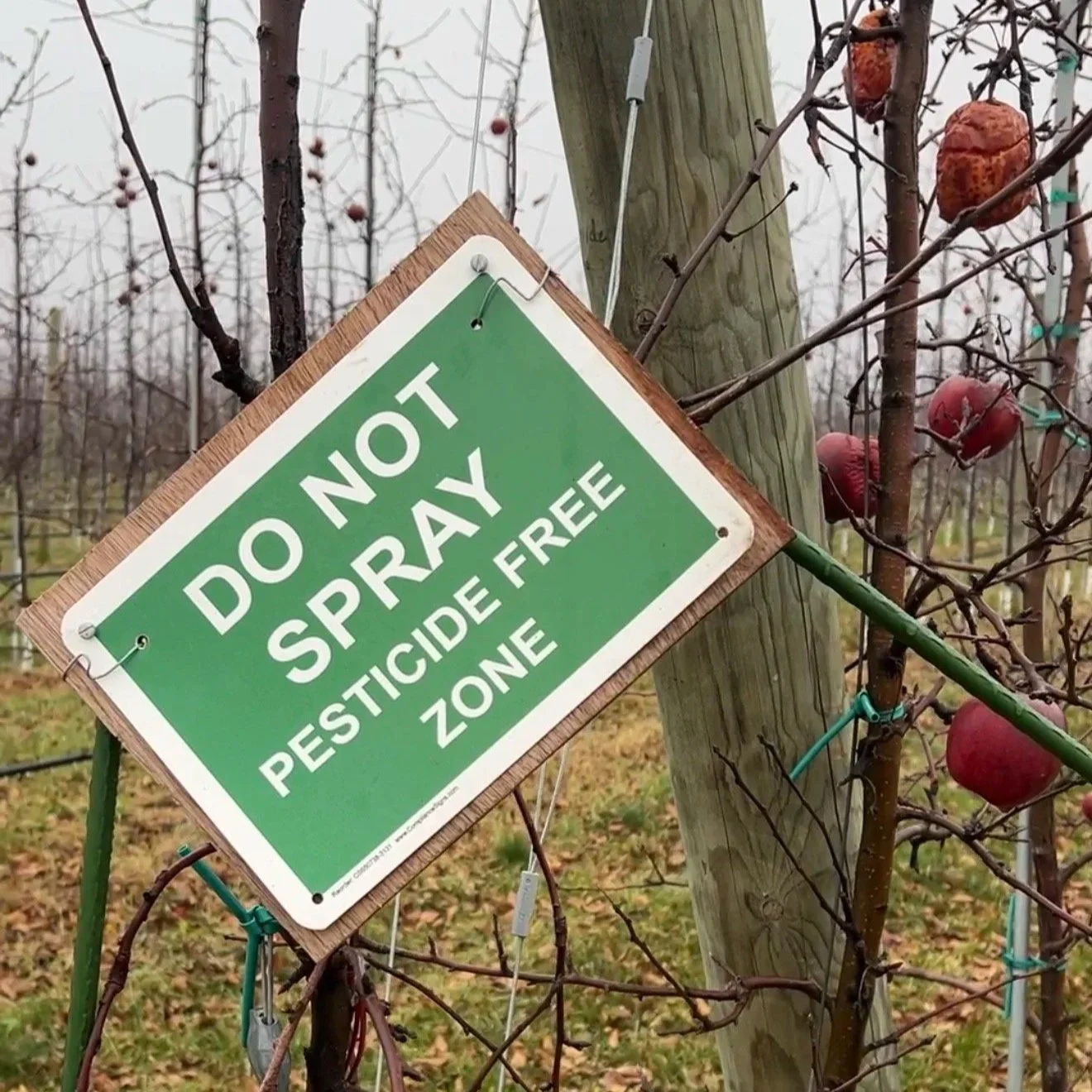
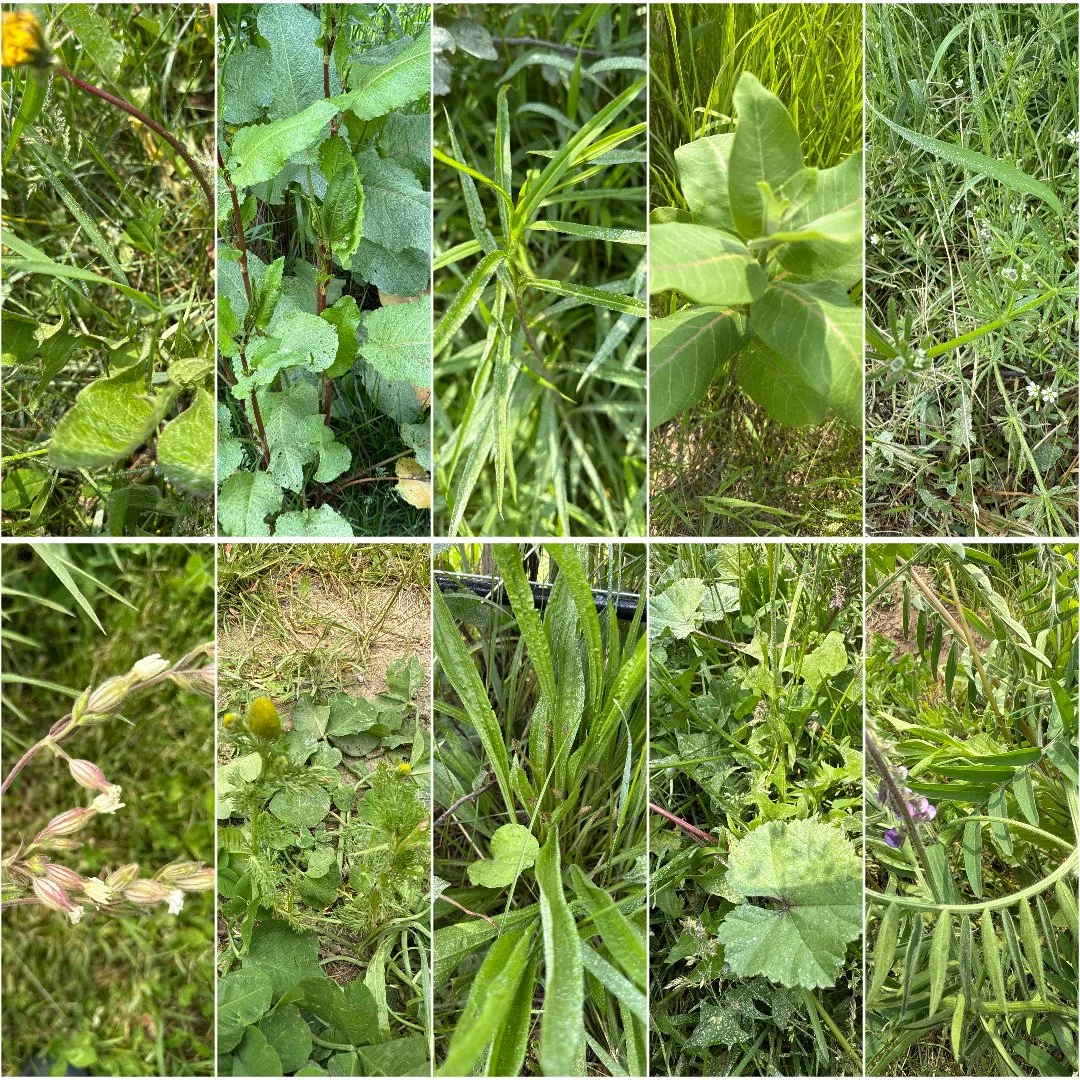
We allow the naturally occurring ground cover to thrive under our trees with minimal mechanical maintenance. We utilize zero herbicide and embrace the beautiful mixed species including: multiple grasses, dandelion, clovers, plantain, mallow, goldenrod, dock, vetch, stickywilly, queen Anne’s lace, thistle, goldenrod, brome, milkweed, violets, nettles, fleabane, pineapple weed and many others.
This diversity of plants under the trees provides natural habitat for multiple pollinator species and beneficial insects.
Diversity of plants also leads to diversity of microorganisms in the soil which maintain beneficial relationships with our trees, aiding in disease and stress tolerance and well as micro nutrient acquisition. In short, diversity in plants and microbes leads to flavor and resilience.
-
We practice intense mulching on our farm and have seen encouraging increases in fertility and organic matter along with many other benefits including:
Feeding the soil ecology, which supports beneficial soil life and the root-zone partnerships you’re aiming for (like mycorrhizae).
Increase water holding capacity, helping the trees ride out dry periods with less stress.
Keep soil and minerals from washing away, which is a direct erosion and nutrient-loss prevention move.
Replace weed killer as part of your under-tree floor management strategy, alongside mowing.
-
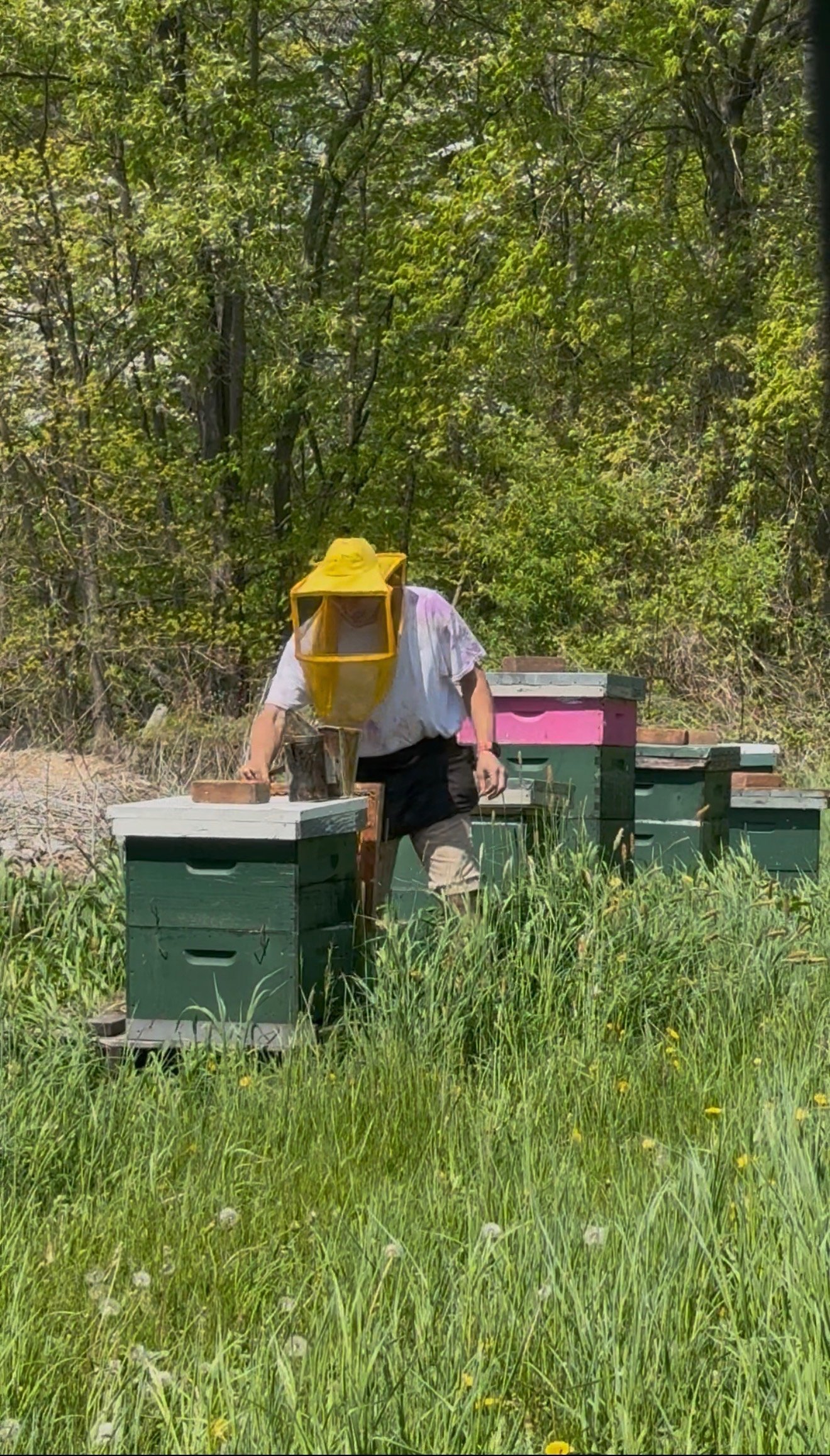
In addition to our lush mixed under canopy species we also have 50 acres of native pollinator/wildlife habitats that provide food for our bees and other pollinator and beneficial insects.
Additionally, we have 5 acres of planted wildflower mix which were funded through an NRCS Environmental Quality Incentives Program (EQIP) grant.
-
A large part of implementing regenerative practices is ensuring that our agronomic decisions are rooted in data driven decision making.
We implement many forms of testing including:
Soil Testing: (mineral, microbial, and physical characteristics) sets the foundation to avoid chasing symptoms.
Soil testing helps you see the baseline conditions that drive everything else: pH, organic matter, macro and micronutrients, and salinity. That supports regenerative goals because it helps you:
Build soil health deliberately (organic matter trends, balance, and mineral availability), rather than just adding inputs and hoping they work.
Target amendments more precisely, which reduces wasted applications and allows for more of a proactive versus reactive approach.
Validate cultural practices, which sets the framework for our future improvements
Leaf Tissue and Sap analysis provides in-season data of plant nutrition to assess balances/imbalances deficiencies/excesses of macro and micronutrients .
These testing allow us to Tune foliar and fertility decisions to the moment, which is a key “regenerative” behavior: fewer passes, less disturbance/compaction and better outcomes per input.
End Product Testing provides human nutritional testing that can help validate which practices are leading to the most nutrient dense fruit possible.
-
We implement Moisture-sensing technologies to conserve water and give the trees what they need rather than over watering.
We actively reduce off-farm inputs and continuously recycle inputs on the farm to get the most closed loops as possible.